

Planting & Bed Installation in Wichita

Landscape beds that stand up to the Kansas wind and heat

Your property has the space for something great, and beds designed for Wichita conditions make it happen.

Open Wichita yards need plantings that earn their spot

Space isn’t usually the issue on most Wichita properties. What you need is a planting plan that accounts for persistent wind that dries foliage and stresses young plants, alkaline soil that limits what can grow, and sustained summer heat that separates the varieties that belong here from those that don’t. A planting and bed installation built for your yard creates structure and seasonal interest that holds together through all of it.

Benefits That Show

How it works

Property Evaluation

Wind direction, sun intensity, soil chemistry, and drainage are evaluated across your property. Western and southern exposures face the harshest conditions, and understanding what’s protected versus exposed drives plant selection.

Deep-rooted trees, drought-adapted shrubs, native grasses, and tough perennials form the plant list. Every selection is made for proven performance in central Kansas.

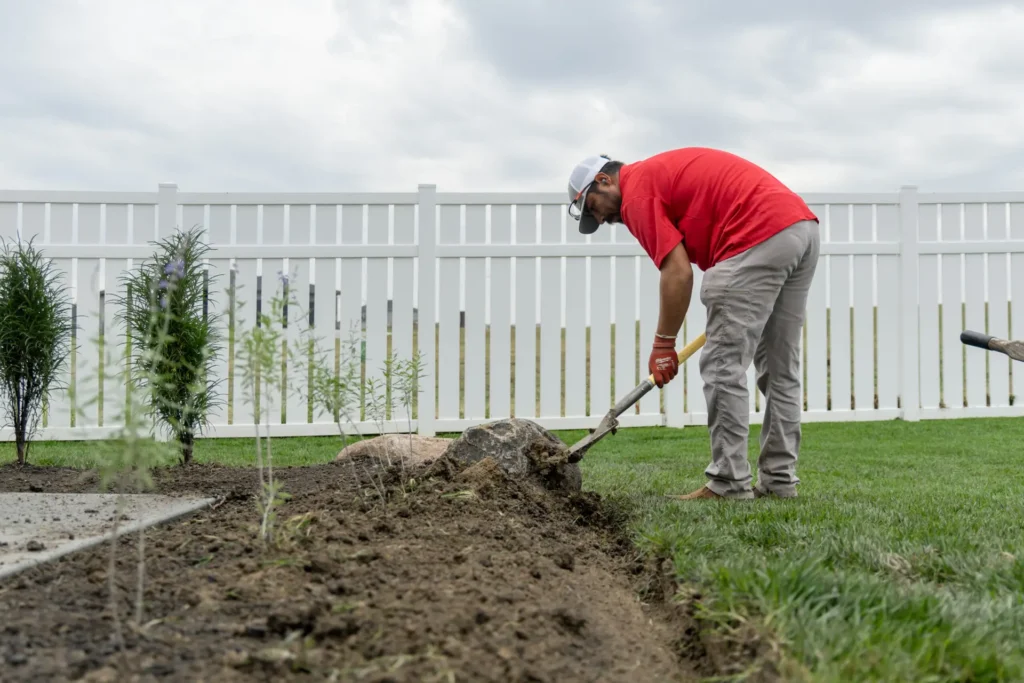
Bed areas are shaped for drainage and visual impact. Alkaline soil is amended where root development requires it, and beds are edged to create clean boundaries against turf and open lawn.

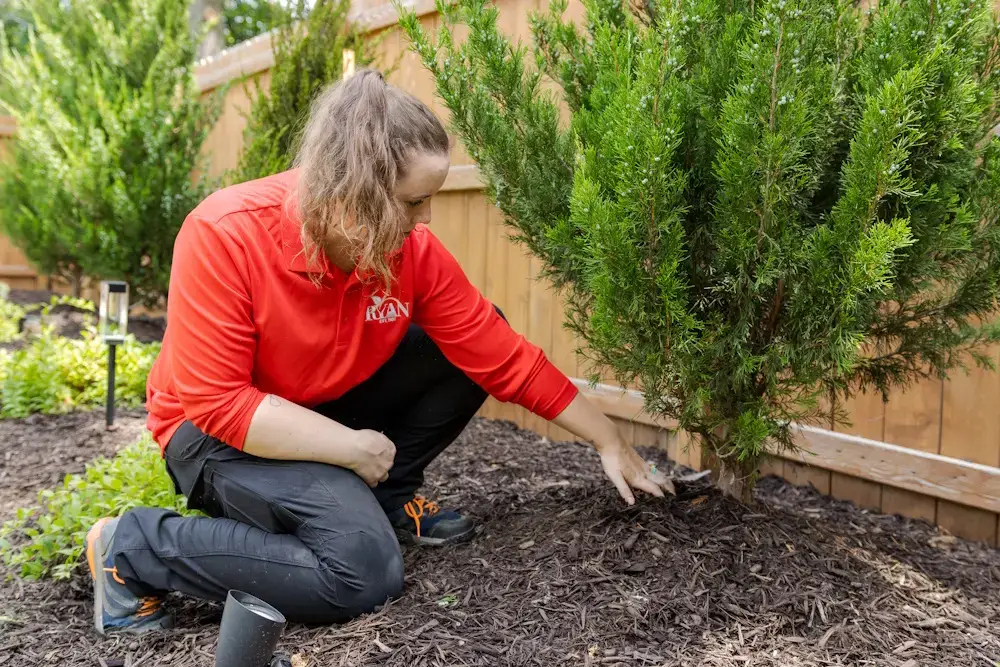
Each plant goes in at the depth and spacing its mature size demands. Mulch insulates roots from temperature swings and reduces moisture loss in the drying Kansas wind. The beds look complete now and tighten naturally as everything grows in.

How it works

Lawn Inspection and Consultation

Your dedicated RYAN Pro begins with a thorough inspection of your lawn, evaluating turf type, soil condition, and local climate to understand what your yard needs to thrive. (This could be a good place to add details about soil testing or evaluation methods.)

Dedicated landscaping pros

Why exposure matters more on a Wichita property

Wind pulls moisture from leaves faster than roots can replace it, tips young trees before they’ve anchored, and drives winter drying that browns evergreens from the outside in. Without accounting for wind, new beds struggle even when the species would otherwise be fine for the zone.

Your planting design positions larger specimens as buffers and selects species for exposed beds that brace against the conditions naturally.

Five-star landscape projects

Our landscaping customers say it best.

Ready for a landscape that brings real definition to your Wichita property?

Beds give your property edges, focal points, and seasonal rhythm.

Planting & Bed Installation FAQs

Wind-tolerant varieties with flexible branching and deep root systems are used in fully exposed positions. In some cases, the layout creates a layered windbreak that shelters more vulnerable specimens behind hardier ones.

Alkaline soil keeps certain nutrients from reaching plants that need acidic ground. The plant list draws from trees, shrubs, and perennials that grow well in Kansas soil as-is.

Strategic placement of taller shrubs and trees softens wind impact and creates defined spaces within your property. As plantings mature and canopies fill, beds make an open space feel more sheltered.

Fall planting takes advantage of cooler temperatures and residual soil warmth to grow roots before winter. Spring also works well for species that benefit from a full growing season.

Heavier mulch varieties are used where wind regularly crosses the bed surface, and edges are constructed with a slight recess that holds mulch in place.