Tree Fertilization in Wichita

Support stronger growth and healthier trees over time

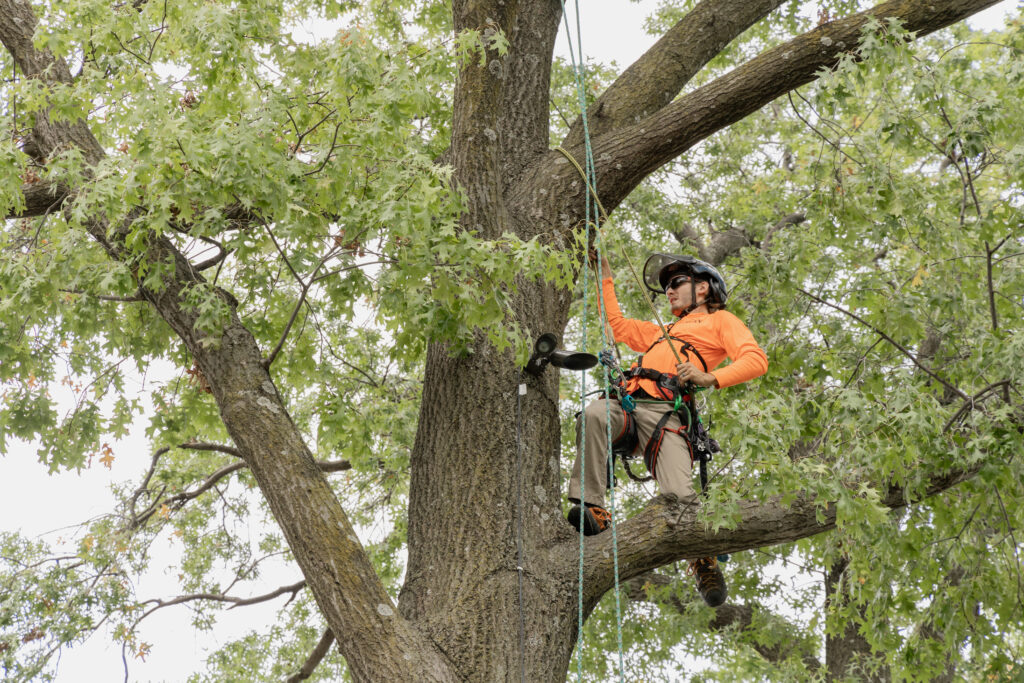
Trees need the right nutrients to thrive, especially when they’re dealing with stress from weather, pests, or compacted soil. A professional tree fertilizer service helps support stronger growth, better color, and improved long-term resilience.

Fertilization that strengthens trees from the roots up

Tree nutrition is not one-size-fits-all. Strategic tree fertilization supports healthier root systems and more reliable growth patterns, helping trees stay stronger through seasonal changes.

What you get

How it works

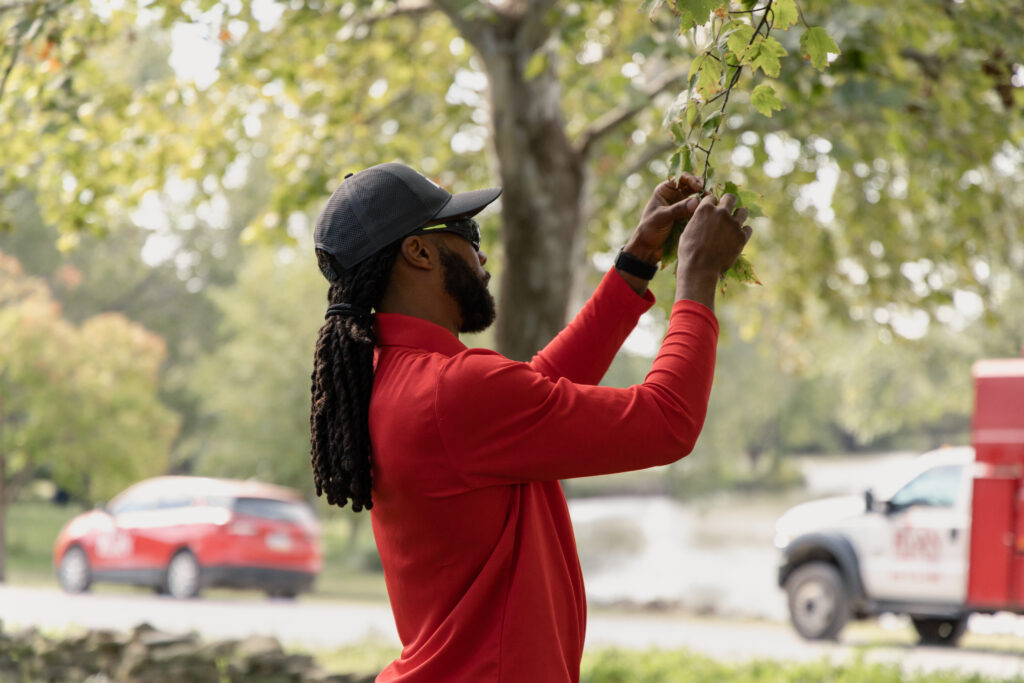
Tree evaluation

Your tree is reviewed for growth patterns, health, and nutrient needs.

A plan is built around seasonal needs and long-term goals.

Treatments support consistent tree fertilizing and better health outcomes.

Adjustments help protect results and support ongoing growth.
repeat issues.

How it works

Lawn Inspection and Consultation

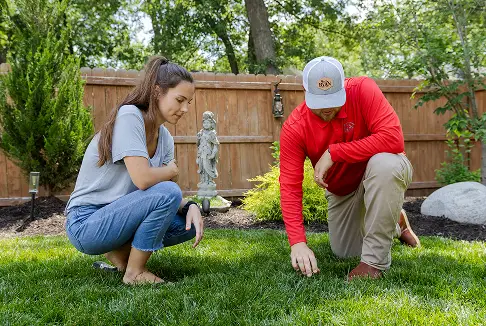
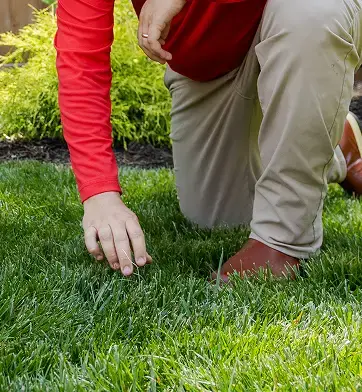
Your dedicated RYAN Pro begins with a thorough inspection of your lawn, evaluating turf type, soil condition, and local climate to understand what your yard needs to thrive. (This could be a good place to add details about soil testing or evaluation methods.)

Dedicated tree and plant managers

Local care that improves consistency

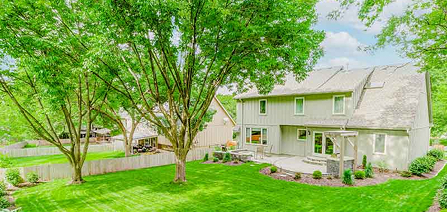
Wichita soil and weather conditions can impact how well trees absorb nutrients and handle seasonal stress. Local insight helps keep fertilization focused on what your trees actually need, so growth support is more efficient and results are more consistent. With a better nutrient plan, your trees can stay stronger, recover faster, and maintain healthier long-term performance.

Five-star tree and plant care

Our tree and plant care customers say it best.

Ready to support healthier, stronger trees?

Build long-term resilience with fertilization designed around your tree’s needs.

Tree Fertilization FAQs

Tree fertilization replaces nutrients often missing from urban soil.

Tree fertilization supports stronger roots and healthier foliage.

Tree fertilization frequency depends on soil conditions and tree needs.